Virtual Labs Information
- About the iLRN Virtual Labs
- iLRN Virtual Lab Member Application & Agreement
- iLRN Virtual Labs Directory of projects and people
- iLRN Virtual Labs resources
- Virtual Labs' Perpetual Notes
About the iLRN Virtual Labs
iLRN Virtual Labs
The virtual research laboratories are prinicipally FrameVR-based environments integrated within iLRN's virtual campus infrastructure. These immersive 3D spaces are specifically designed to support educational technology research using extended reality (XR) technologies including virtual reality (VR), augmented reality (AR), and mixed reality (MR).
[image below will be Virtual Lab Map similar to below]
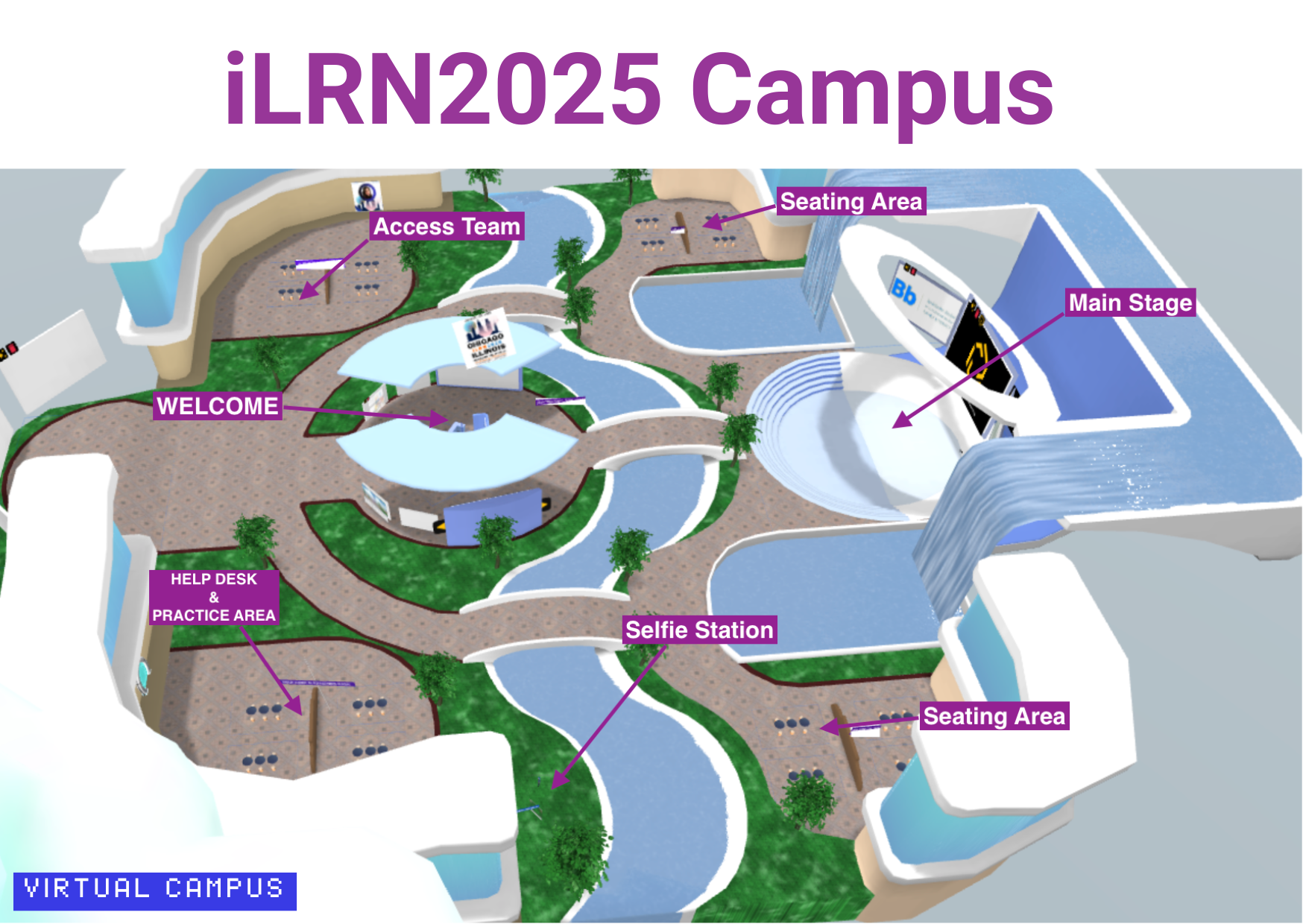
Key Features:
- Multiple laboratory environments within the FrameVR (and other) platform to accommodate different research needs
- Comprehensive researcher support services to ensure high-quality research outputs and publications
- Dual functionality - serving both as research tools for conducting studies and as subjects of investigation themselves
- iLRN methodology alignment ensuring compatibility with international immersive learning research standards
Research Capabilities:
- Supports investigation into the educational effectiveness of immersive technologies
- Enables studies on X skills development through 3D virtual game immersion
- Facilitates research on cognitive, affective, and skills outcomes in virtual environments
- Provides infrastructure for examining virtual environment affordances in educational contexts
iLRN labs essentially create a dedicated research ecosystem where scholars can rigorously investigate immersive learning while contributing to the broader understanding of XR technologies in education.
Link to Virtual Lab (FrameVR)
iLRN Virtual Lab Member Application & Agreement
iLRN Labs Access Application Protocol (draft)
Application Overview
The Immersive Learning Research Network (iLRN) Virtual Research Laboratory provides researchers with access to FrameVR-based virtual research environments and portal connectivity to complementary XR tools. This application protocol ensures responsible, ethical, and high-quality research whilst supporting the collaborative, volunteer-led mission of the iLRN community.
Application Process Structure
Stage 1: Initial Application Submission
-
Timeline: Applications accepted on a rolling basis
-
Review Period: 2-6 weeks from submission
-
Format: Online application form with supporting documents
Stage 2: Peer Review Process
-
Community Review: Application reviewed by iLRN research committee
-
Technical Assessment: Platform requirements and feasibility evaluation
-
Ethics Review: Ethical implications assessment (with referral to institutional IRB if required)
Stage 3: Decision and Onboarding
-
Notification: Applicants notified within 48 hours of decision
-
Access Provisioning: Laboratory access granted within 5 working days
-
Orientation: Mandatory virtual orientation session for approved researchers
Research Application Questions
Section A: Researcher Information and Background
A1. Principal Investigator Details
-
Name, title, and institutional affiliation
-
Contact information (email, phone, preferred communication method)
-
ORCID ID and professional website/profile links
-
Current position and department/organisation
A2. Research Team Information
-
Co-investigators and their roles in the proposed research
-
Graduate student researchers and their supervision arrangements
-
Technical support team members (if applicable)
-
Previous experience with virtual reality/immersive technologies research
A3. Institutional Affiliation and Ethics
-
Primary institutional affiliation and research ethics committee details
-
Current institutional ethics approval status (if applicable)
-
Previous experience with virtual research environments
-
Professional memberships relevant to immersive learning research
Section B: Research Project Description
B1. Research Title and Abstract Please provide:
-
Concise research title (maximum 150 characters)
-
Abstract summarising the research objectives, methodology, and expected outcomes (250-400 words)
B2. Research Objectives and Questions
-
Primary research question(s) to be investigated
-
Secondary research objectives
-
Hypotheses (if applicable)
-
Expected contribution to immersive learning knowledge
B3. Literature Review and Theoretical Framework
-
Brief review of relevant literature positioning your research within current scholarship
-
Theoretical framework underpinning your research approach
-
How your research addresses identified gaps in immersive learning research
-
Connection to iLRN community research priorities
B4. Research Methodology
-
Research design (experimental, quasi-experimental, observational, ethnographic, case study, etc.)
-
Data collection methods and instruments
-
Participant recruitment strategy and inclusion/exclusion criteria
-
Data analysis approach and statistical methods (if applicable)
Section C: Virtual Laboratory Requirements and Technical Specifications
C1. Platform Requirements
-
Specific FrameVR functionalities required for your research
-
Portal connectivity needs to external XR tools or platforms
-
Required virtual environment characteristics (spatial layout, interactive elements, etc.)
-
Special technical requirements or customisations needed
C2. Participant Technology Requirements
-
Hardware requirements for research participants (VR headsets, computers, mobile devices)
-
Internet connectivity requirements
-
Accessibility considerations for participants with disabilities
-
Alternative access methods for participants with limited technology access
C3. Data Collection and Storage
-
Types of data to be collected within the virtual environment
-
Data storage requirements and location preferences
-
Data sharing protocols with research team members
-
Integration requirements with external data collection tools
C4. Virtual Environment Design
-
Detailed description of required virtual spaces and their functionality
-
Interactive elements needed for data collection
-
Environmental modifications or customisations required
-
Integration points with external assessment or measurement tools
Section D: Participants and Ethical Considerations
D1. Participant Information
-
Target population and demographic characteristics
-
Sample size and recruitment timeline
-
Age range of participants (special considerations for minors)
-
Vulnerable populations involvement (if applicable)
D2. Participant Safety and Wellbeing
-
Measures to prevent motion sickness or VR-related discomfort
-
Protocols for managing participant distress or adverse reactions
-
Emergency procedures for technical difficulties during data collection
-
Participant support resources and contact information
D3. Informed Consent and Privacy
-
Informed consent procedures adapted for virtual environments
-
Privacy protection measures for virtual interactions
-
Data anonymisation and pseudonymisation protocols
-
Participant withdrawal procedures and data deletion processes
D4. Ethical Considerations Specific to VR Research How will your research address the following ethical considerations:
-
Potential for VR to generate empathy or emotional responses that may persist beyond the research session
-
Integration of ethical analysis into the virtual environment design process
-
Potential psychological effects of immersive virtual experiences
-
Considerations for participants' digital identity and avatar representation
-
Data collection in virtual spaces and privacy implications
Section E: Research Timeline and Deliverables
E1. Project Timeline
-
Research phases with specific milestones and deadlines
-
Laboratory access period required (start and end dates)
-
Data collection timeline and participant recruitment schedule
-
Analysis and write-up timeline
E2. Expected Outputs and Dissemination
-
Planned publications (journals, conferences, book chapters)
-
Presentations at iLRN conferences or other academic meetings
-
Potential for open-access sharing of research materials or protocols
-
Community engagement and knowledge transfer activities
E3. Resource Sharing and Community Benefit
-
How research findings will benefit the broader iLRN community
-
Willingness to share virtual environment designs with other researchers
-
Potential for collaborative research opportunities with other iLRN members
-
Contribution to iLRN knowledge base and resource library
Section F: Risk Assessment and Management
F1. Technical Risks
-
Potential technical challenges and mitigation strategies
-
Backup plans for platform failures or connectivity issues
-
Data loss prevention and recovery procedures
-
Alternative research methods if virtual laboratory access is compromised
F2. Research Risks
-
Potential risks to research validity or reliability
-
Participant safety risks and management strategies
-
Ethical risks and mitigation approaches
-
Timeline risks and contingency planning
F3. Community and Volunteer Organisation Considerations
-
Understanding of iLRN's volunteer-led structure and implications
-
Willingness to contribute to community support and mentorship
-
Flexibility in accommodating community resource constraints
-
Commitment to collaborative and supportive research practices
Section G: Previous Experience and Qualifications
G1. Relevant Research Experience
-
Previous research using virtual reality or immersive technologies
-
Experience with online or digital research methodologies
-
Relevant publications or presentations in immersive learning
-
Experience working with volunteer-led research communities
G2. Technical Competencies
-
Familiarity with FrameVR or similar virtual platforms
-
Experience with VR hardware and software
-
Data analysis software proficiency
-
Virtual research environment design experience
G3. Professional Development and Community Engagement
-
Commitment to iLRN professional development opportunities
-
Previous involvement in collaborative research networks
-
Mentorship experience with junior researchers
-
Willingness to contribute to peer review processes
Section H: Budget and Resource Requirements
H1. Funding and Financial Support
-
Current funding status for the proposed research
-
Budget allocation for virtual laboratory access (if applicable)
-
In-kind contributions from your institution
-
Potential for cost-sharing or collaborative funding
H2. Volunteer and Community Support
-
Technical support requirements from iLRN volunteers
-
Mentorship or consultation needs from experienced community members
-
Willingness to provide reciprocal support to other researchers
-
Contribution potential to community resources and knowledge base
Section I: Supporting Documentation Checklist
Please ensure the following documents are attached to your application:
Required Documents:
- Curriculum vitae for all key research team members
- Institutional ethics approval documentation (if available)
- Research protocol document (using provided template)
- Participant information sheets and consent forms
- Data management plan
- Risk assessment documentation